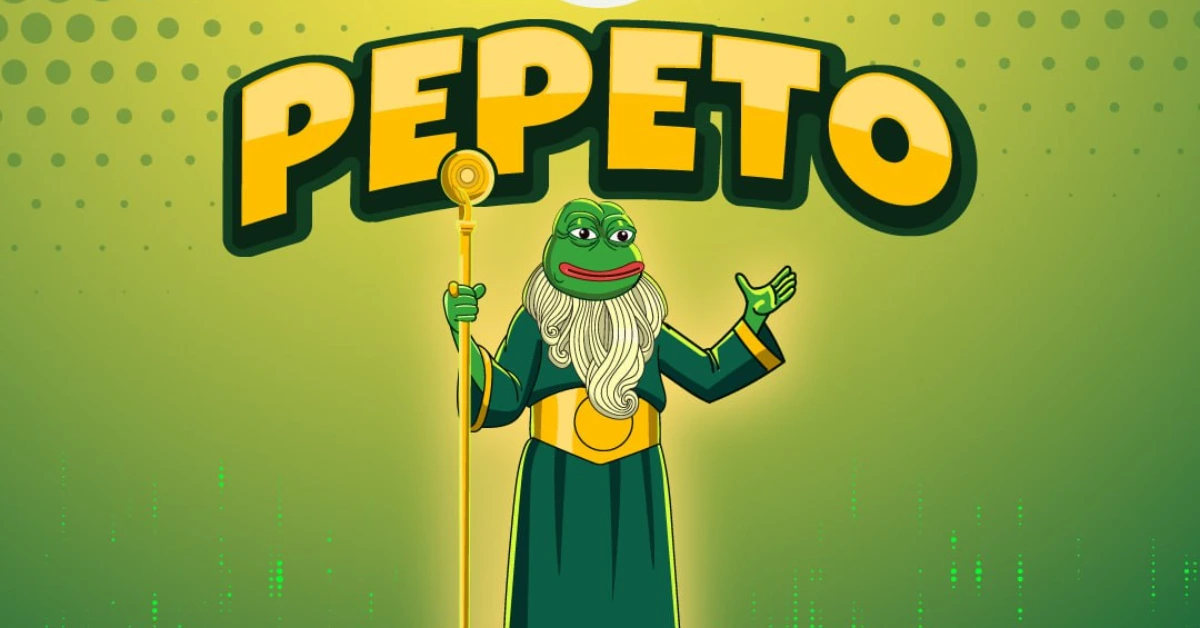
Pepeto (PEPETO) is an Ethereum-native crypto asset that fuses internet culture with functional infrastructure for decentralized finance (DeFi). Rather than relying solely on speculative social media hype, the project features a specialized ecosystem consisting of a zero-fee decentralized exchange (DEX), an automated cross-chain bridge, an AI-powered smart contract scanner, and high-yield staking pools.
As of August 2026, the project has crossed $10.57 million in public funding across its multi-stage presale, drawing over 40,000 active wallet holders. The project implements a maximum fixed supply of 420.69 trillion ERC-20 tokens, combining hyper-viral tokenomic branding with structural utility frameworks.
1. Conceptual Origin and Market Positioning
The "God of Frogs" Narrative: The project styles its branding around a mythological character named PEPETO, designed to represent six core pillars: Power, Energy, Precision, Efficiency, Technology, and Optimization.
Meme Aesthetics with DeFi Rails: Traditional meme coins face long-term decay due to a complete lack of functional utility. Pepeto bypasses this by building real utility directly into the token's ecosystem.
Experienced Leadership Team: The underlying code and operational strategies are managed by a development squad that includes a former Binance infrastructure programmer alongside an original co-creator from the early Pepe token ecosystem.
Value Capture Integration: Unlike early meme projects that do not capture ecosystem network effects, the $PEPETO token acts as the central settlement and gas-routing asset across all native applications.
2. The Pepeto Platform Architecture
PepetoSwap DEX
Elimination of Intermediate Fees: Standard automated market makers (AMMs) like Uniswap impose a baseline 0.3% fee per swap. PepetoSwap removes this fee entirely to keep trading value within user wallets.
Capital Efficiency Gains: By routing orders through native internal liquidity matching systems, high-volume traders save thousands of dollars normally lost to micro-transaction friction.
Self-Custodial Execution: Users trade assets directly from their hardware or software web3 wallets, ensuring they never surrender custody of their private keys to a centralized matching engine.
Algorithmic Liquidity Sinks: To maintain deep liquidity pools despite charging zero fees, the DEX utilizes specialized routing contracts that lock a percentage of overall network volume back into core asset pairs.
┌─────────────────────────────────────────────────────────────────┐
│ THE PEPETO ECOSYSTEM STACK │
├─────────────────────────────────────────────────────────────────┤
│ │
│ [ Yield Engine ] ──► Staking Vaults (Dynamic APY 166%-185%) │
│ │
│ [ Security Layer ] ──► AI Smart Contract Exploit Scanner │
│ │
│ [ Interoperability ] ──► Lock-and-Mint Multi-Chain Bridge │
│ │
│ [ Trading Floor ] ──► PepetoSwap DEX (0% Exchange Fees) │
│ │
└─────────────────────────────────────────────────────────────────┘
Cross-Chain Bridge Infrastructure
Lock-and-Mint Technology: The native bridge connects Ethereum to high-velocity alternative networks like Solana and the BNB Chain using automated cryptographic vaults.
Step-by-Step Security Routing: When a cross-chain transfer is initiated, the asset is safely locked inside a secure Ethereum mainnet contract layer before any actions take place.
Destination Chain Generation: Once the deposit is cryptoraphically validated, a matching representation of the asset is minted natively on the destination network at zero extra cost.
Unified Liquidity Fragmentation: The bridge mitigates the isolation of capital common in modern Web3, allowing multi-chain assets to converge seamlessly into Pepeto’s trading pools.
AI Smart Contract Security Scanner
Automated Code Decompilation: To prevent investors from falling victim to malicious contract mechanics, a built-in AI module automatically decompiles the code of newly listed tokens.
Rug-Pull Prevention: The scanner flags common developer exploits, such as hidden mint functions, ownership renunciation loops, or emergency withdrawal blocks.
Honeypot Identification: The tool runs simulated transactions in a sandboxed environment to detect hidden sell taxes that prevent buyers from exiting a position.
Dynamic Trust Scoring: Following the audit scan, the engine outputs an objective security score directly on the user interface to protect retail traders from financial scams.
3. Tokenomics and Presale Mechanics
Fixed Total Cap: The protocol enforces a hard supply limit of 420.69 trillion ERC-20 tokens, ensuring that no extra tokens can ever be minted or introduced to dilute existing holders.
Tiered Presale Strategy: The public fundraising campaign uses a sequential tier-pricing matrix, where each round features a fixed token allocation block.
Early Incentive Curves: Once an allocation block sells out completely, the smart contract automatically rolls over into the next phase at a slightly higher token price.
Third-Party Security Audits: To verify contract integrity, the entire Pepeto code base has been structurally audited and verified by blockchain security firm SolidProof.
Institutional Vesting Protections: Developer pools and venture capital blocks are subject to a strict three-month cliff vesting period to prevent massive post-launch market dumps.
4. Yield Systems and Staking Vaults
Immediate Yield Accumulation: Investors who buy tokens during the presale can immediately lock their assets into the protocol's integrated staking contract.
High Initial Yield Horizons: Early participants can capture high staking rewards, with variable annual percentage yields (APY) ranging between 166% and 185%.
Automated Dilution Scripts: To guarantee structural sustainability, the APY features a dynamic dilution curve that scales down sequentially as more total global tokens enter the pool.
Supply Velocity Dampening: High staking rewards encourage buyers to lock their assets up long-term, which removes a massive portion of liquid tokens from the immediate post-launch market.
5. Risk Assessment and Structural Drawbacks
Technical Execution Risk: Building comprehensive zero-fee decentralized trading desks and multi-chain bridging code sets is technically complex, making the project vulnerable to mainnet delays.
Vulnerability to Code Exploits: Deploying custom cross-chain bridges and AI scanners introduces multiple layers of smart contract interaction, creating an increased attack surface for black-hat hackers.
Total Illiquidity Phases: Capital contributed to the presale is locked within the funding smart contracts and cannot be traded on open order books until the official token generation event (TGE).
Exchange Listing Dependencies: While marketing updates suggest potential listings on tier-1 platforms like Binance, these targets are speculative until trading pairs are officially deployed.
Regulatory Compliance Shifts: Global financial watchdogs continuously update compliance mandates surrounding decentralized stablecoins, bridges, and privacy tools, posing systemic operational risks.

Free AI Website Maker